On this page
A dairy-free diet can supply calcium through fortified foods, calcium-containing tofu, selected vegetables and fish with edible bones. Vitamin D needs a separate check. A drink with added calcium does not necessarily have added vitamin D, and two plant drinks can have very different nutrient labels.
How much do adults need?
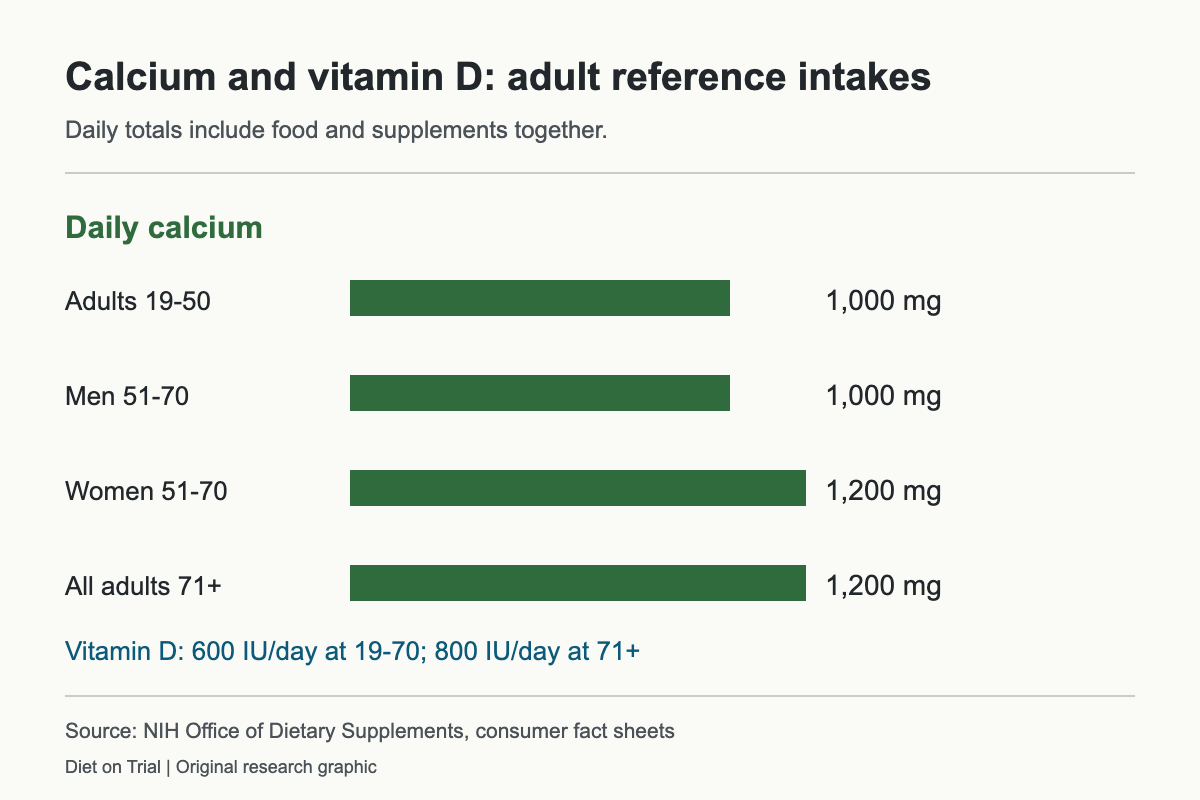
The NIH calcium fact sheet lists daily reference intakes by age and sex. Its vitamin D fact sheet gives the corresponding adult vitamin D amounts. These totals include food and supplements together.
| Adults | Calcium per day | Vitamin D per day |
|---|---|---|
| Ages 19 to 50 | 1,000 mg | 15 mcg (600 IU) |
| Men ages 51 to 70 | 1,000 mg | 15 mcg (600 IU) |
| Women ages 51 to 70 | 1,200 mg | 15 mcg (600 IU) |
| Ages 71 and older | 1,200 mg | 20 mcg (800 IU) |
These are reference intakes for generally healthy adults, not treatment doses for a diagnosed deficiency. “Per day” also does not mean that every meal or every drink must provide the entire amount.
Which foods can replace the nutrients in dairy?
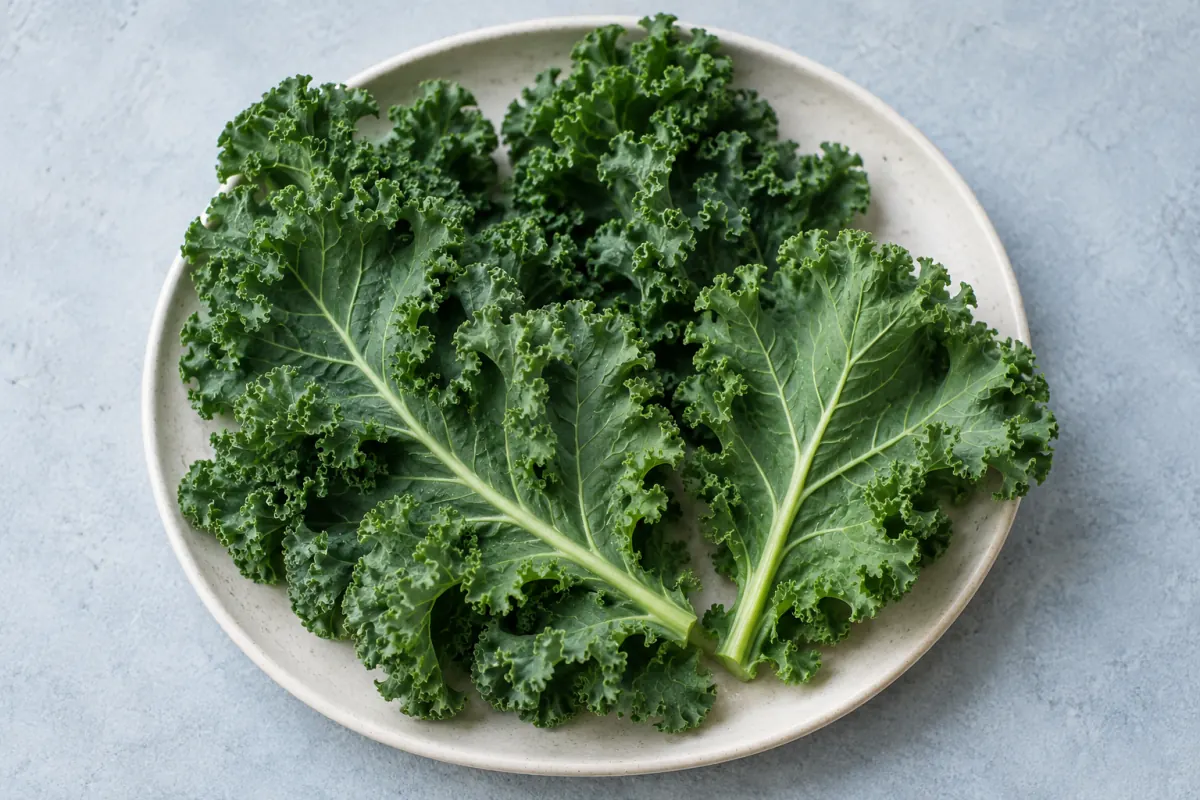
NIH lists calcium-fortified milk substitutes and juices, some tofu, canned sardines or salmon with bones, and vegetables such as kale, broccoli and bok choy. Fortification varies by product, so the amount printed on the package is more useful than assuming all almond or soy drinks are equivalent.
For vitamin D, MedlinePlus identifies fish and egg yolks as natural sources and fortified foods as another route. Removing dairy therefore calls for checking both nutrient entries. Buying a calcium-fortified food alone does not settle the vitamin D question.
A practical label comparison has three parts: the serving size, calcium per serving and vitamin D per serving. Compare the amount you actually use. If the package values refer to a larger portion, counting the full printed amount would overestimate your intake.
Does lactose intolerance require a dairy-free diet?
Not always. NIDDK explains that tolerance differs between people. Some can manage small amounts with meals, yogurt or hard cheese. Lactose-free milk is another way to reduce lactose while retaining a dairy food.
A person avoiding lactose may have choices that someone avoiding milk itself does not. A plant drink should be selected for its actual ingredients and nutrients, rather than its appearance in the same supermarket aisle.
Check protein at the same time
Replacing milk can also change the foods supplying protein in a meal. Protein foods include legumes, tofu, eggs, fish and meat as well as dairy. Match the replacement to what is missing from the whole meal, rather than expecting one product to duplicate every nutrient in the food you removed.
Frequently asked questions
Is lactose-free milk dairy-free?
No. It is a milk product with less lactose. It remains dairy.
Do all plant drinks contain calcium and vitamin D?
No. Products differ in fortification. Read both nutrient amounts on the label, along with the serving size.
Should everyone avoiding dairy take a calcium supplement?
A dairy-free label alone does not establish a calcium shortfall. Add the calcium supplied by your usual foods first; supplements, if needed, should address the actual gap rather than duplicate a full day's intake.